
Some recent stats (United States)
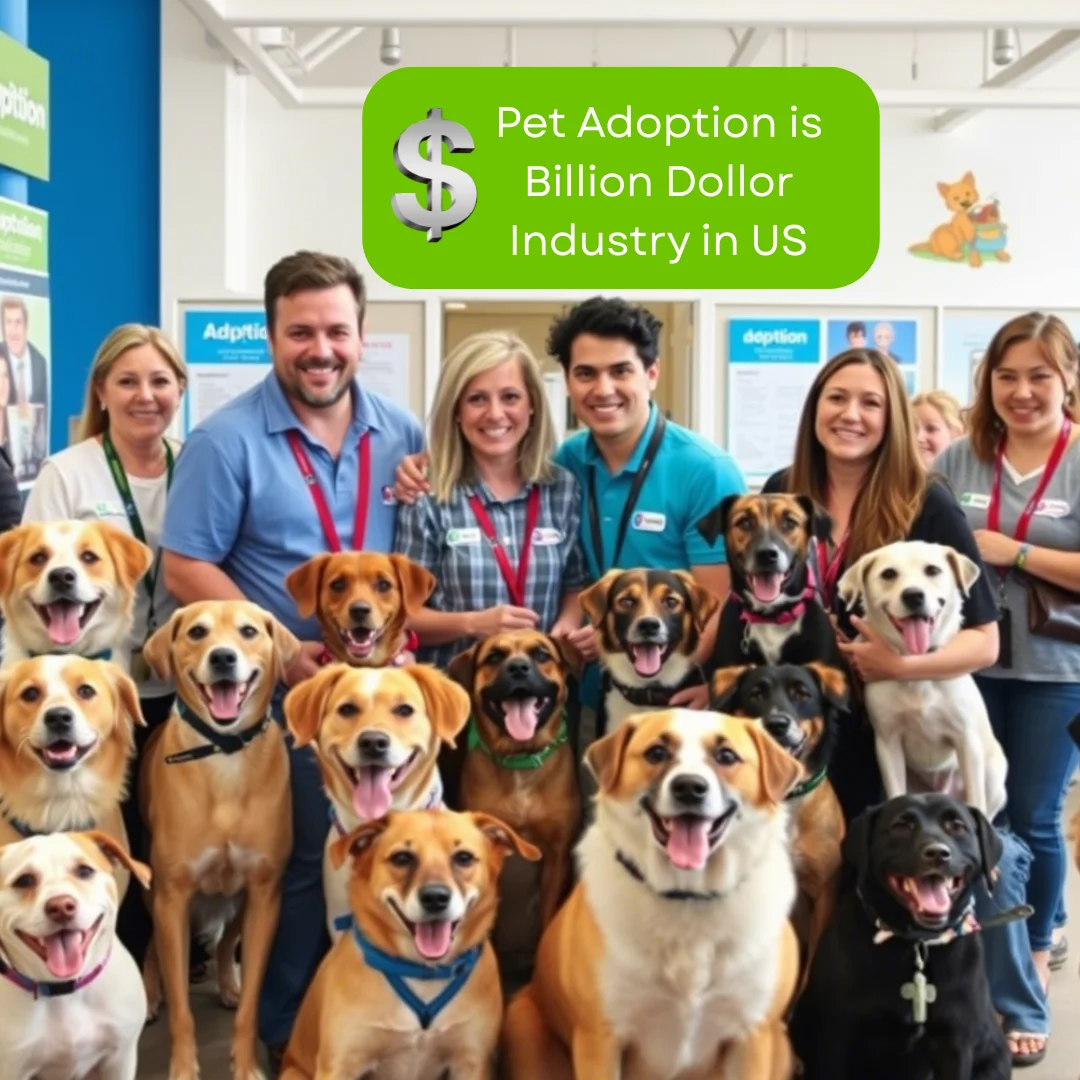
The U.S. pet industry continues its growth, reaching a total expenditure of $152 billion in 2024, with projections estimating a rise to $157 billion in 2026.
- Annual shelter intake: approximately 6.5 million animals enter U.S. shelters each year.
- Adoption rates: in 2024, around 4.2 million shelter animals (2 million dogs and 2.2 million cats) were adopted into homes.
- Pets as family: a 2026 survey found that nearly 50% of Gen Z pet owners view their pets as their children, a shift in how younger generations think about ownership.
Why adoption services are taking the lead
More people today prefer to adopt pets instead of buying them, aligning with ethical values and community impact. That cultural shift is opening doors for operators to build meaningful, revenue-generating platforms with purpose at the core.
What drives revenue in pet adoption businesses?
Pet adoption services can scale into high-revenue operations by focusing on:
- Subscription models: monthly kits, behavior training, or post-adoption resources.
- Transparent donation portals: making it easy for donors to see where their money goes.
- Strategic partnerships: collaborating with vets, trainers, and pet brands for affiliate revenue.
- Add-on services: grooming, pet transport, or online vet access.
- Branded merchandise: apparel and accessories that support the cause and raise brand visibility.
Why donors support adoption services
Donors are drawn to platforms that are:
- Transparent about their mission and results.
- Easy to engage with online.
- Showing real, measurable impact.
- Focused on making the adoption process humane and simple.
Many donors look beyond the cause. They also look at website traffic, business growth report and platform credibility before contributing. That is why a well-optimized site, listing management that holds up, and strong platform performance are not just technical tasks. They are conversion tools.
How to build a million-dollar pet service business
To grow and compete in this market, adoption platforms should:
- Implement AI-driven automation for faster lead processing and communication.
- Maintain CRM systems that handle adoptions, donor engagement, and volunteer management.
- Expand reach through storytelling and content marketing.
- Track and act on insights using data analytics.
- Integrate listings with third-party rescue platforms so adopters see more animals in one place.
Our experience at AWT
At Web Technologies we have supported platforms managing over 100,000 pet listings. From adoption flows and real-time search to donation systems that can scale, we help adoption-based businesses build platforms that work in production.
If you are looking to grow a pet service with purpose and technology at its core, we would like to share what we have learned.
Let’s connect and turn the mission into a sustainable business.